Project Impact 360
Closing the circular loop through recycled materials, employee well-being, market activation, and social impact.
Starting point
Plastic recovery
Recovered materials become the first step in a people-centered circular economy.
Shared outcome
Social impact
The loop creates learning, wellbeing, market visibility, and community opportunities.
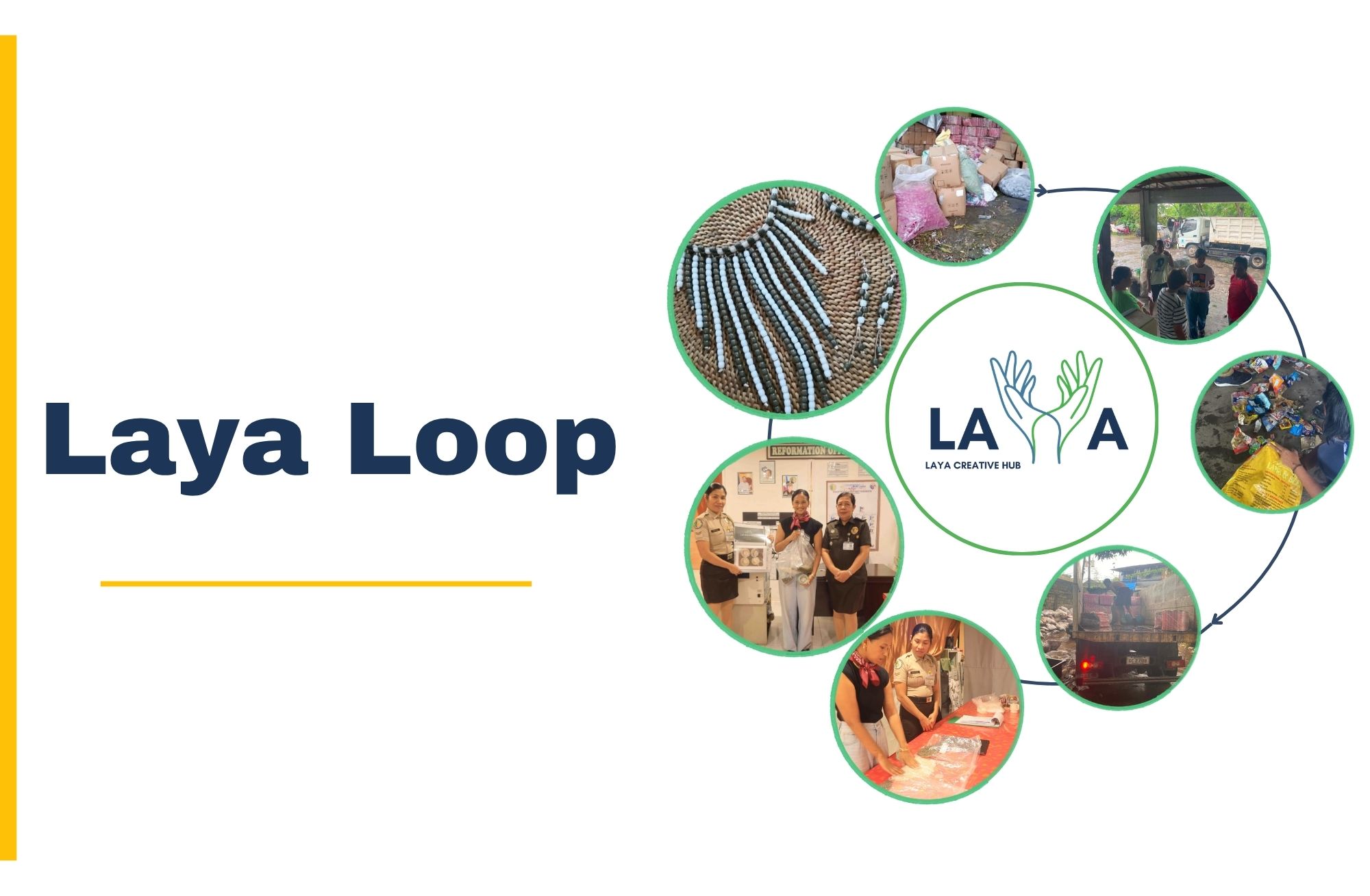
Solution in action
A circular economy that continues beyond collection
Project Impact 360 shows that the circular economy does not end when plastic is collected. It continues when material becomes a recycled resource, a circular product, a hands-on learning opportunity, and a visible pathway to market.
The model brings environmental action and human opportunity together. It connects material recovery with practical enterprise, employee participation, market exposure, and wider community impact.
What comes together
People, materials, and opportunity
Materials
Plastic recovery, recycling, and recycled material development.
People
Employee experience, well-being, and meaningful participation.
Impact
Market exposure, circular products, and social impact in the community.
Impact pathway
From plastic recovery to social impact
Each stage builds on the one before it, helping the circular loop create practical value for people and the environment.
01
Plastic recovery
Recover usable plastic from the waste stream.
02
Recycling
Prepare recovered materials for their next use.
03
Recycled material
Turn recovery into a resource for making and learning.
04
Circular products
Create products that make the material's next life visible.
05
Employee experience and market exposure
Build participation and share the work with wider audiences.
06
Social impact
Create meaningful benefits for people, communities, and the environment.
Presented by Laya Creative Hub
Together, we can close the circular loop.
Project Impact 360 is now a dedicated Laya Loop page that brings the circular economy story to life on the website.